Appointment Reminders: Best Practices to Reduce No-Shows and Retain Patients
- Automation
- 11/05/2024
- BY Leah Crites
When considering revenue in dental practices, there’s often a strong focus on attracting new patients, sometimes at the expense of existing ones. However, it’s crucial to recognize that over 80% of your revenue comes from repeat patients.
Ensuring that patients stay up-to-date with their dental appointments and hygiene check-ups not only boosts your practice’s revenue but also guarantees top-notch patient care.
Implementing appointment reminders is a key strategy to keep patients engaged and ensure they don’t miss their visits. This creates a mutually beneficial situation for both your practice and your patients.
At MaxAssist, we specialize in patient retention strategies and frequently receive inquiries about the best methods to encourage patients to return for their appointments.
One of the most effective methods is implementing and utilizing an appointment reminder system. In this article, we’ll explore the importance of dental appointment reminders and highlight the optimal timing for sending them to ensure maximum patient recall.
Why Send Appointment Reminders?
1. Maximize Revenue and Patient Retention
The primary reasons to send patient appointment reminders are to keep your schedule full, maximize your revenue, and retain more patients. Patients lead busy lives, and it’s common for appointments to be forgotten. In fact, 44.8% of appointments are missed due to forgetfulness.
The good news?
This is something you can directly impact by implementing an appointment reminder system.
By actively reminding patients of their upcoming appointments, you can expect to see attendance rates hit as high as 95%. This leads to better patient retention and maximized revenue.
Additionally, sending appointment reminder texts is a great way to promote your practice. When patients see that you care about their time and health, they’re more likely to recommend your practice to friends and family, driving more referrals.
2. Increase Productivity and Improve Office Culture
Preparing for an appointment takes time and effort from your team. However, studies show that 42% of patients never make it to their appointments, wasting valuable time and resources.
Missed or canceled appointments can harm your team’s productivity, and in some cases, lead to longer wait times for patients who are on time for their appointments. By sending appointment reminders, you’ll improve the workflow in your office, reduce no-shows, and enhance your team’s quality of life at work.
3. Enhance the Patient Experience
While patients value their health, they also highly value their experience at your practice. It’s not enough to manage their health alone; patients expect convenience.
By sending appointment reminders, you show patients that you’re making it easy for them to receive the care they need out of genuine care about their well-being. This creates stronger, more meaningful relationships with your patients.
Additionally, if patient forms need to be filled out prior to the appointment, include a link to do so within the reminder. This keeps the experience seamless and convenient for the patient, while saving your team valuable time.
4. More Opportunities to Manage Your Patients’ Health
Appointment reminders can have a domino effect that encourages better overall health management. Reminding patients of their upcoming appointments often serves as a gentle nudge for them to focus more on their oral health, whether that means brushing, flossing, or simply keeping their scheduled appointments.
When Should You Send Appointment Reminders?
Timing Is Key: Research suggests that sending reminders closer to the appointment date and sending multiple reminders is more effective than sending just one. One study found that sending a reminder 2 weeks before the appointment, followed by 1 week before the appointment, and then 2 business days before the appointment, yields the best results.
However, it’s crucial to avoid sending reminders too early, as they may be forgotten or ignored. Early reminders can lose their effectiveness, so always aim for timely follow-ups.
What’s the Best Method for Sending Appointment Reminders?
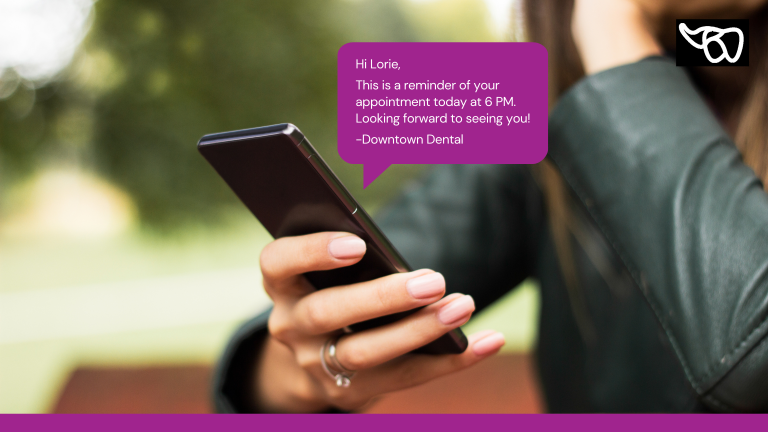
The best method for sending appointment reminders largely depends on your patients’ preferences. Some patients may prefer text messages, others may prefer email, and some may still prefer a phone call.
One of the first things you should do is offer your patients a variety of contact options. You can ask them after their appointment about their preferred contact method, so they can choose how they want to receive reminders. Popular methods include:
- Text Messages: Quick, convenient, and efficient.
- Emails: Ideal for patients who prefer written communication.
- Phone Calls: Personalized, but may be more time-consuming.
“I love that our patients get their reminders through text and email and can confirm appointments as well. It has dropped our no-show rate significantly. We can also send forms which is a fantastic feature.”

General Tips for Effective Appointment Reminders
1. Less Is More
Sending reminders is a delicate balance. You want to remind patients without annoying them. Avoid bombarding them with multiple reminders every week leading up to their appointment. This can result in patients blocking your messages or ignoring them altogether.
Stick to 2-3 clear reminders, confirming 1-2 weeks prior, and then reminding patients 2 business days ahead. This gives you the chance and time to make necessary moves if unexpected changes come up. Your patients will appreciate the space and clarity.
2. Content Is Key
It’s not just about sending a reminder; it’s about sending a well-crafted reminder that resonates with your patient. Personalizing the message is crucial. Include their name, the treatment they are scheduled for, and the provider they’ll see.
A personalized message that feels genuine, rather than automated, will lead to 6 times better response rates. You’ll also foster a deeper connection with your patients, making them feel valued and cared for.
Effective Appointment Reminders Get Results
As mentioned at the outset, over 80% of a dental practice’s revenue comes from existing patients. It’s vital to keep them engaged with regular hygiene appointments and needed treatment. A full schedule isn’t luck; it’s the result of consistent systems that remove friction and make it easy for patients to follow through.
While implementing a reminder system is one of the highest-ROI actions a practice can take, it’s most effective if it’s consistent, personalized, and easy for your team to manage. That’s exactly why MaxAssist was built.
See How It Works
From smart reminders to integrated forms and quick ways to fill openings, MaxAssist keeps the schedule full while freeing up your team to focus on the patient experience.
See how MaxAssist pays for itself over and over again in a quick demo today.